
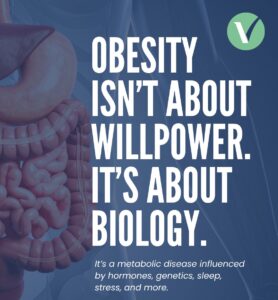
When it comes to obesity, many people assume it’s simply a matter of willpower — eat less, move more, and the weight will come off. Unfortunately, this oversimplification couldn’t be further from the truth. Obesity is a complex, chronic medical condition influenced by genetics, metabolism, hormones, environment, and behavior. Reducing it to a question of personal discipline does a disservice to those struggling with their weight and can create unnecessary shame.
Research shows that biology plays a significant role in weight management. Genetics influence how our bodies store fat, regulate hunger, and respond to physical activity. Hormones like leptin and insulin control appetite and fat storage, and even small disruptions in these systems can make weight loss far more challenging. Stress, sleep deprivation, and certain medications can also affect these hormones, further complicating the picture.
This means that for many people, simply “trying harder” isn’t enough. While lifestyle changes such as a balanced diet and regular physical activity are essential for overall health, they are often insufficient to achieve lasting weight loss on their own. Effective treatment must address the underlying biological and medical factors that contribute to obesity.
Medical approaches can include FDA-approved medications, medical nutrition therapy, and in some cases, surgical options. These interventions are not about taking shortcuts or avoiding effort — they’re about providing tools that work with your body’s biology rather than against it. Studies consistently show that patients who combine medical support with lifestyle adjustments have greater success in losing weight and keeping it off compared to lifestyle changes alone.
It’s also important to shift our mindset from blame to understanding. Obesity stigma can prevent individuals from seeking help and exacerbate health disparities. Recognizing that obesity is a medical condition encourages compassion, reduces shame, and opens the door for meaningful, evidence-based interventions.
At Valley Obesity Medicine & Diabetes (VOMD), we take a personalized approach to obesity care. We evaluate each patient’s medical history, metabolic profile, and lifestyle to develop a tailored plan that addresses the root causes of weight gain. Our goal isn’t just short-term weight loss — it’s sustainable health, improved quality of life, and empowerment without judgment.
Remember, struggling with weight does not mean a lack of willpower. Obesity is a complex disease, and successful treatment requires medical expertise, personalized strategies, and ongoing support. If you’ve tried to lose weight on your own without lasting results, it may be time to explore medical guidance and break free from the myth that willpower alone can solve obesity.
Your health is worth understanding, not blaming.
Ready to speak with an obesity care specialist? Call us at 540-504-7194, send us your contact info here, or simply schedule a visit to get started. We hope that you will trust us to help you on your journey!
Michael Li, MD